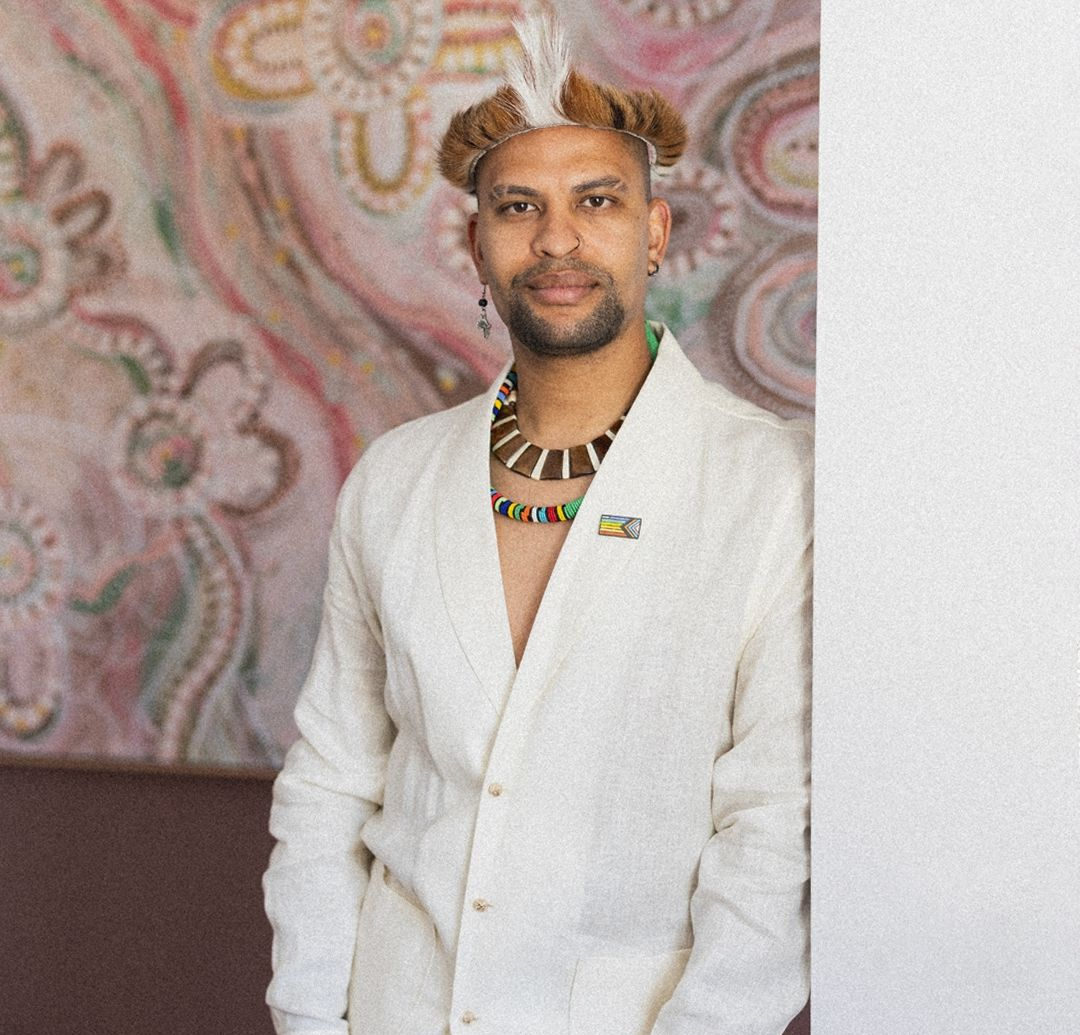
An interview with Traidy Bugeja-Naidoo, Founder of Chosen Family
You can have an NDIS plan, a support worker who turns up every week and all the right services in place, and still not feel supported.
It's something Traidy Bugeja-Naidoo, Founder of Chosen Family, has seen firsthand throughout his career. People receiving disability support, attending appointments and following their plans, but missing something that's just as important. Connection. Friendship. Feeling understood. Having people around who genuinely care about what happens in your life.
It's what made him question whether the disability sector was getting the most important things right. It's an experience that became one of the driving forces behind Chosen Family.
It started with wanting to do things differently
Before founding Chosen Family, Traidy worked across law, advocacy, community services and disability. He saw how systems could help people, but also how frustrating and exhausting they could become for the very people they were supposed to support.
He met participants who knew plenty of service providers but had very little connection to their communities. Others had support workers coming and going, without ever developing the consistency or trust that makes a real difference.
And sometimes, people were being defined more by their diagnosis, funding or support needs than by who they actually were. Traidy wanted to change that.
His idea was to create a disability support provider where the conversation started with the person, not the paperwork. What do you enjoy? What's important to you? What would you like to do more of? What kind of life do you want to build? They're simple questions, but the answers can change everything about how someone is supported.
The small things tell you a lot about good support
Think about the people in your own life who make you feel comfortable. They probably remember the things you like. They know when you're having an off day. They listen when you need to talk and don't make you feel like you're being difficult for having an opinion. Those same things matter in disability support.
A good
support worker takes the time to understand someone's routines, interests and communication style. They remember what matters to that person and respect the choices they make, even when those choices are different from their own. They also understand that helping someone get out into the community isn't simply about getting them from one place to another.
As Traidy puts it, "The little things are never actually little."
Your support should fit your life, not the other way around
There's a phrase you hear a lot in the NDIS sector: person-centred support. It sounds great, but what does it really mean?
For Traidy, it comes down to who is making the decisions. Too often, people are presented with a list of available services and asked to choose what fits. But genuine person-centred support should work the other way around. First, you find out what someone wants from their life. Then you work together to find support that helps them get there.
That might involve finding an
NDIS support worker who shares their interests, building confidence with everyday activities or getting help through
Support Coordination to understand their options.
And the goals don't always have to be big. Being able to go shopping independently, feeling comfortable meeting new people or having input into a daily routine can be just as meaningful as any major milestone.
Nobody should have to hide who they are to receive support
Another part of Traidy's vision comes from his own experiences of identity, culture and exclusion. He knows what it feels like to be somewhere you don't quite fit in, or to feel that people don't fully understand you. He believes nobody should have to experience that when accessing disability services.
People bring their culture, beliefs, relationships, identity and personal experiences into every part of their lives. Disability support shouldn't ask them to leave any of that behind. For a support worker, this means being willing to listen and learn rather than make assumptions.
It might mean understanding someone's cultural traditions, respecting their identity, learning how they prefer to communicate or recognising experiences that have affected their sense of safety and trust.
It's also about understanding that everyone responds differently to situations. Someone who seems withdrawn, frustrated or reluctant to participate may have a reason that isn't immediately obvious. Taking the time to understand what's happening is often far more helpful than simply trying to change the behaviour.
"People are not problems to be solved," Traidy says. And that's an important distinction.
Good support shouldn't make someone dependent on you
One of the things Traidy talks about is the difference between helping someone and taking over. It's easy to fall into the habit of doing things for people, particularly when it feels quicker or easier. But that isn't always what's best for them. Sometimes good support means giving someone the time to work something out themselves. Encouraging them to make a decision.
It's about building confidence, not taking away control. Traidy sums it up perfectly: "Our role is not to become the hero of somebody else's story." And that's a useful reminder for anyone working in disability support.
Bringing the human side back to the NDIS
Running a disability support organisation involves a lot of administration. There are service agreements, funding rules, reporting requirements and processes that need to be followed. Traidy understands why those things matter. His background in law, advocacy and operations has shown him the importance of good systems and accountability.
But he also believes there's a danger when paperwork starts taking priority over people.
Nobody wants to feel like another appointment in someone's calendar or another shift that needs to be completed. They want to feel comfortable with the people supporting them. They want to be listened to, treated with respect and given opportunities to enjoy their lives.
That's the thinking behind Chosen Family, and it's also reflected in the philosophy of Ubuntu, which means "I am because we are. "It's a reminder that we're all connected and that relationships and community matter to our wellbeing.
What we want people to remember about Chosen Family
When Traidy thinks about what he'd like Chosen Family to achieve over the next ten years, he doesn't talk about becoming the biggest provider or delivering the most services. He talks about people.
The future of Chosen Family comes down to making a genuine difference in people's lives. Not just during the hours they're receiving support, but in what they're able to do, the decisions they feel comfortable making and the opportunities available to them.
It's about building relationships that matter, understanding what each person wants from life and making sure the support they receive actually helps them get there.
Looking for NDIS disability support that feels more personal?
At Chosen Family, we take the time to understand you, what matters in your life and the kind of support you're looking for.
Get in touch with our team and let's have a conversation about what you need.