
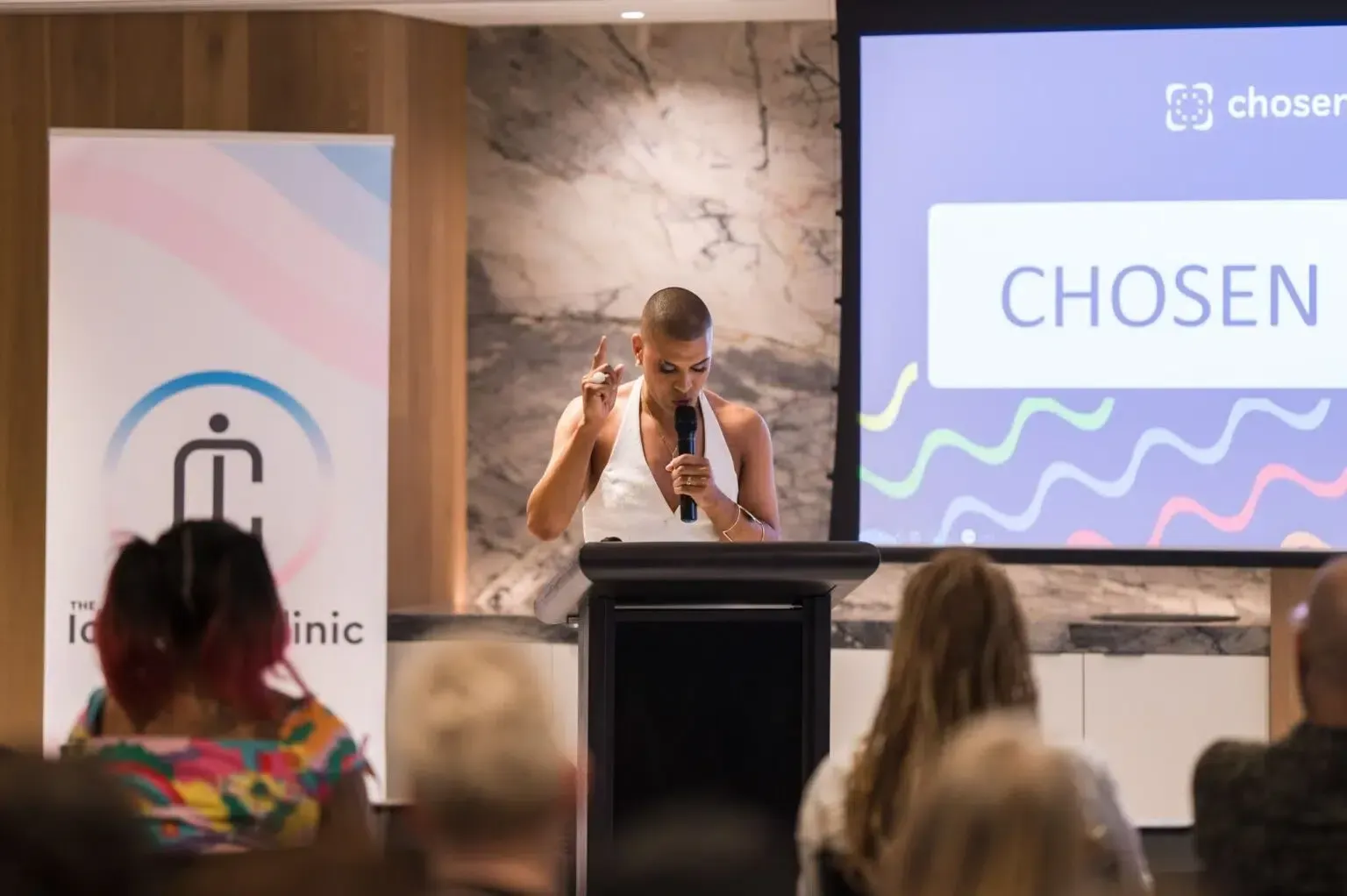

Leading with Inclusivity in NDIS Organisations

Chosen Family • April 16, 2025

Share this article

What is Inclusive Leadership?

Chosen Family believes in a model of Inclusive leadership is about taking intentional actions to create a culture where everyone feels valued and included. It involves expanding one’s worldview, identifying barriers to participation, and working proactively to dismantle those obstacles in sustainable ways. Unlike allyship, which responds to exclusion as it arises, inclusive leadership anticipates where exclusion may occur and actively works to prevent it.

How to Be an Inclusive Leader

  1. Educate Yourself
    Inclusive leadership is a learned skill, not an inherent trait. Leaders must become aware of their own identities, the privileges they carry, and the barriers others may face. Key skills include empathy, curiosity, courage, and agility. Educating oneself about identity and its impact is vital to recognizing exclusion and finding effective ways to address it. We have to train ourselves to identify gaps and fill those gaps with inclusive support. This means being led by curiosity In our ndis sector. 
  2. Speak Up and Advocate
    Being an inclusive leader means standing up when others won’t. It’s not enough to passively improve your own knowledge—you must actively challenge harmful behaviours and discriminatory language when you encounter them. Be the person who addresses bias, challenges inappropriate comments, and advocates for more inclusive policies.
  3. Create an Action Plan
    To create meaningful change, inclusive leaders must take action. Once you’ve educated yourself, identify a specific issue within your organisation or community where you can make a difference. This could involve advocating for diversity in recruitment processes, improving accessibility, or creating more inclusive policies. Make an actionable plan and start implementing it, no matter how small the project may seem.
  4. Listen First, Act Second
    Listening is a key skill for inclusive leaders. It’s important not to assume you understand the challenges others face, especially when you have privilege. Instead, listen to the lived experiences of those who are excluded or marginalized. Create solutions with them, not for them, and always be mindful of not overburdening those who are already at a disadvantage.
  5. Support Identity Disclosure with Sensitivity
    In workplaces, being curious about others’ identities is important, but it must be done with respect. Before asking personal questions, ensure that you’ve done some research to understand the context. Recognise that people may not feel comfortable disclosing personal details, and always consider the workplace culture before broaching sensitive topics.

Why Inclusive Leadership Matters in NDIS Organisations

For NDIS organisations, inclusive leadership is crucial in providing equitable services for people with disabilities. By recognising and addressing barriers to inclusion, leaders can create a culture where all participants feel supported, valued, and able to fully engage with the services provided. Chosen Family Australia’s leadership and support work community requires people who are not only allies but active champions for change—leaders who anticipate challenges, remove obstacles, and ensure that every individual can participate fully in their communities.


By focusing on education, speaking up, creating action plans, listening to diverse perspectives, and practising sensitivity, inclusive leaders can help build a more inclusive, supportive environment for people with disabilities—and lead by example within their organisations and communities.

Similar Blogs


Man and woman looking at laptop screen in an office, discussing details, with a tablet.
By Jamie September 9, 2025
If you’ve ever felt like the NDIS is more paperwork than people, you’re not alone. For many participants, families, and coordinators, the constant admin, repeated forms, and lost details can take the focus away from what truly matters: feeling connected, understood, and supported.  Belonging isn’t just about being included in a system, it’s about being seen as a whole person. Yet too often, the NDIS experience leaves people feeling like a number in a queue rather than a person with goals, identity, and dreams. That’s where technology, when done right, can make a difference.

Person wearing glasses and headphones speaks into a microphone in a red-walled studio.
By Jared Keens July 21, 2025
Navigating change with confidence. What you need to know about NDIS funding updates If you’re feeling overwhelmed by the recent changes to the NDIS, you’re not alone. As the system evolves, it’s more important than ever to stay informed, proactive, and connected to supportive resources. In this episode from The Unexpected Journey, Julia, Amber, and Tina came together to unpack the latest updates, from what’s changing in funding allocations to how participants can advocate for the support they deserve.
Woman in a blue shirt smiles, interviewing someone at an office desk.
June 7, 2025
Let’s talk about this word “poached.” This year, we’ve seen many high-profile professionals moving into new roles—and that’s not a scandal, it’s growth. I don’t believe in the concept of poaching staff. And yes, pull in closer as you read this. Organisations don’t own people. The sector is not a monopoly. Careers are not prisons. People move on for all sorts of reasons: to reignite passion, escape burnout, challenge themselves, or seek financial stability. Some leave great workplaces simply because it’s time. And yet, I’ve seen how even the healthiest departures are misread by organisations whose systemic culture cannot accept change without blame. I’ve left jobs I loved because I needed to grow. I’ve written glowing references for brilliant people finding purpose elsewhere. And you know what? I’m still connected to most of them. Some have come back to thank me. Others have opened doors for Chosen Family in spaces we might never have entered. That’s the beauty of a healthy exit. Let’s be real: if someone tells you they’re leaving, celebrate them. It takes courage to leap. It takes strength to say yes to change. That’s not betrayal—that’s bravery. So if you hear the word “poaching” around me, know I won’t entertain the narrative. I believe in self-determination. I believe people can align with values, cultures, and missions that support their evolution. Be kind. Be gracious. And remember: as you water others, you too will be refreshed. Want to challenge outdated workplace mindsets? Book Traidy to speak at your next team day, leadership retreat, or sector event. Let’s build a culture that celebrates growth, not control. Book Traidy for a speaking gig today. Want more insights like this straight to your inbox? Subscribe to our newsletter and keep evolving with us.
Show More